THE AI FORGE · WORKING LIBRARY
Prompts worth stealing.
Useful starting points for clearer thinking, stronger workflows, and practical AI work your team can actually use.
BUILT FOR REAL WORK
Start with a strong brief. Then make it yours.
Each prompt gives you a practical structure, not a magic spell. Open one, replace the bracketed details, and adapt it to the work in front of you. Review the result before it becomes somebody else’s problem.
THE PROMPT DRAWER
Choose the job. Open the pattern.
These are starting structures. Add the source material, constraints, audience, and approval standard that belong to your task.
01Visual storytellingArchitecture BlueprintTurn a real photograph into a technical, educational visual.+
USE THIS WITH
- A clear monument photograph
- The verified monument name
- Trusted architectural facts
- A requested image format
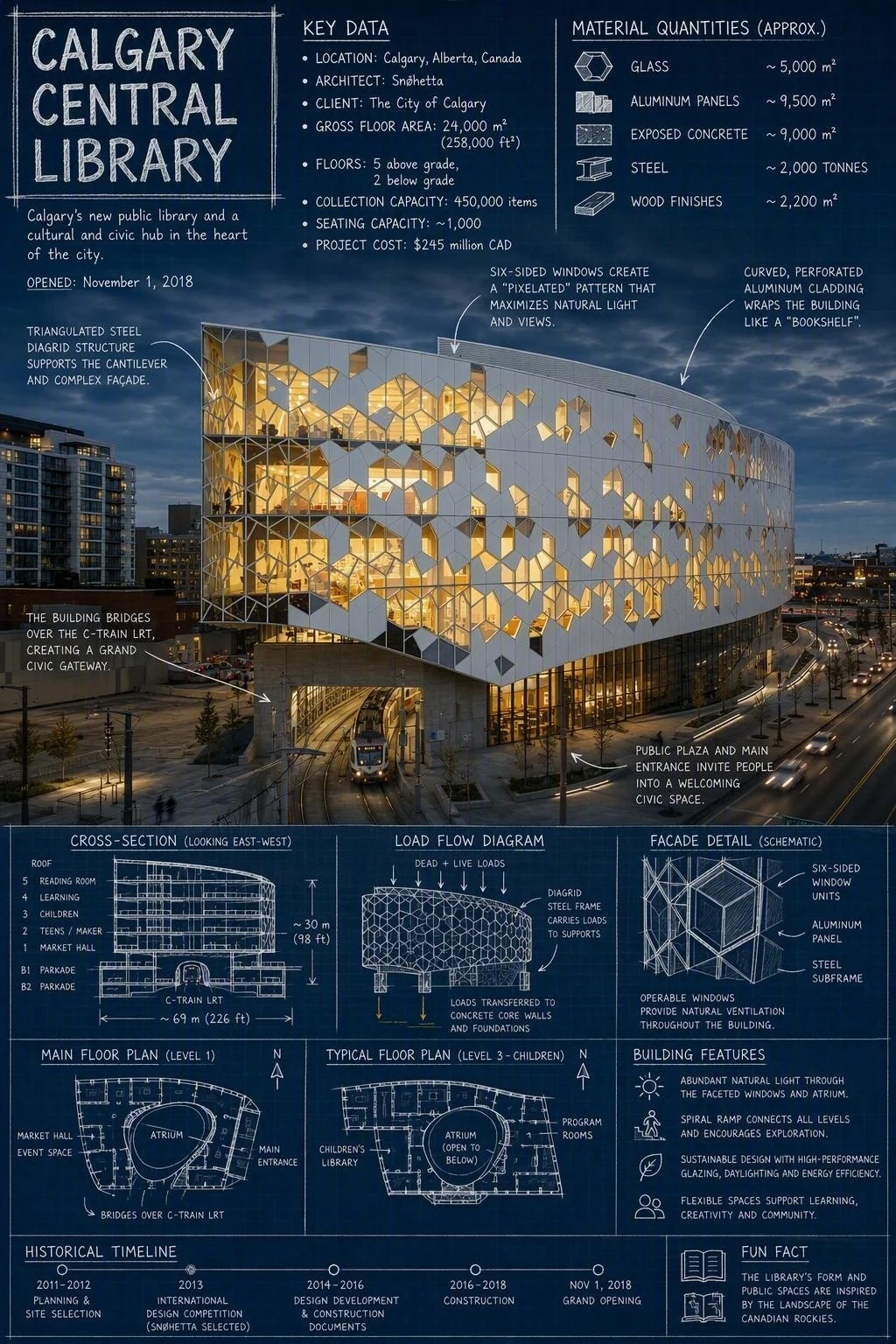
Create an infographic image from the attached photograph of [MONUMENT NAME]. Keep the real environment visible and combine it with blueprint-style technical annotations.

Include a hand-drawn title box, accurate structural data, verified measurements, materials, load-flow arrows, cross-sections, floor plans, and notable architectural or engineering features.

Visual style: white chalk-style line drawings over the photograph; technical and educational rather than decorative.

Accuracy rule: use only verified information. Do not invent dimensions, materials, dates, or engineering details.

Output format: [ASPECT RATIO OR DIMENSIONS].
02OperationsMeeting to MomentumTurn a messy transcript into ownership, decisions, and useful next actions.+
USE THIS WITH
- A meeting transcript or notes
- The meeting purpose
- Known owners or teams
- Any deadline constraints
Act as an operations analyst. Turn the meeting transcript below into a practical follow-through brief.

Meeting purpose: [PURPOSE]
Transcript or notes: [PASTE SOURCE]

Return:
1. Decisions that were actually made
2. Open questions that still need a decision
3. Action items in a table with owner, task, due date, and dependency
4. Risks, blockers, or conflicting statements
5. A short follow-up message for attendees

Rules:
- Do not invent owners or deadlines.
- Mark missing information as “Needs confirmation.”
- Separate confirmed decisions from suggestions.
- Keep the language direct and neutral.
03AI adoptionRole Workflow AuditFind the work worth improving before choosing the tool.+
USE THIS WITH
- A specific role or team
- Recurring responsibilities
- Known friction points
- Approved-tool boundaries
Act as a workflow analyst. Help me identify practical AI opportunities for this role without assuming automation is the answer.

Role or team: [ROLE]
Recurring responsibilities: [LIST]
Known friction: [DESCRIBE]
Approved tools and restrictions: [CONTEXT]

For each recurring task, assess:
- Frequency and time required
- Repetition and information load
- Need for human judgment
- Data sensitivity
- Potential AI assistance
- Required human review

Then recommend the three best starting opportunities. For each, explain the expected benefit, risk, owner, smallest safe test, and a useful success measure.

Do not recommend fully automating customer commitments, pricing, financial decisions, formal claims, or other consequential approvals.
MAKE THE WORK EASIER